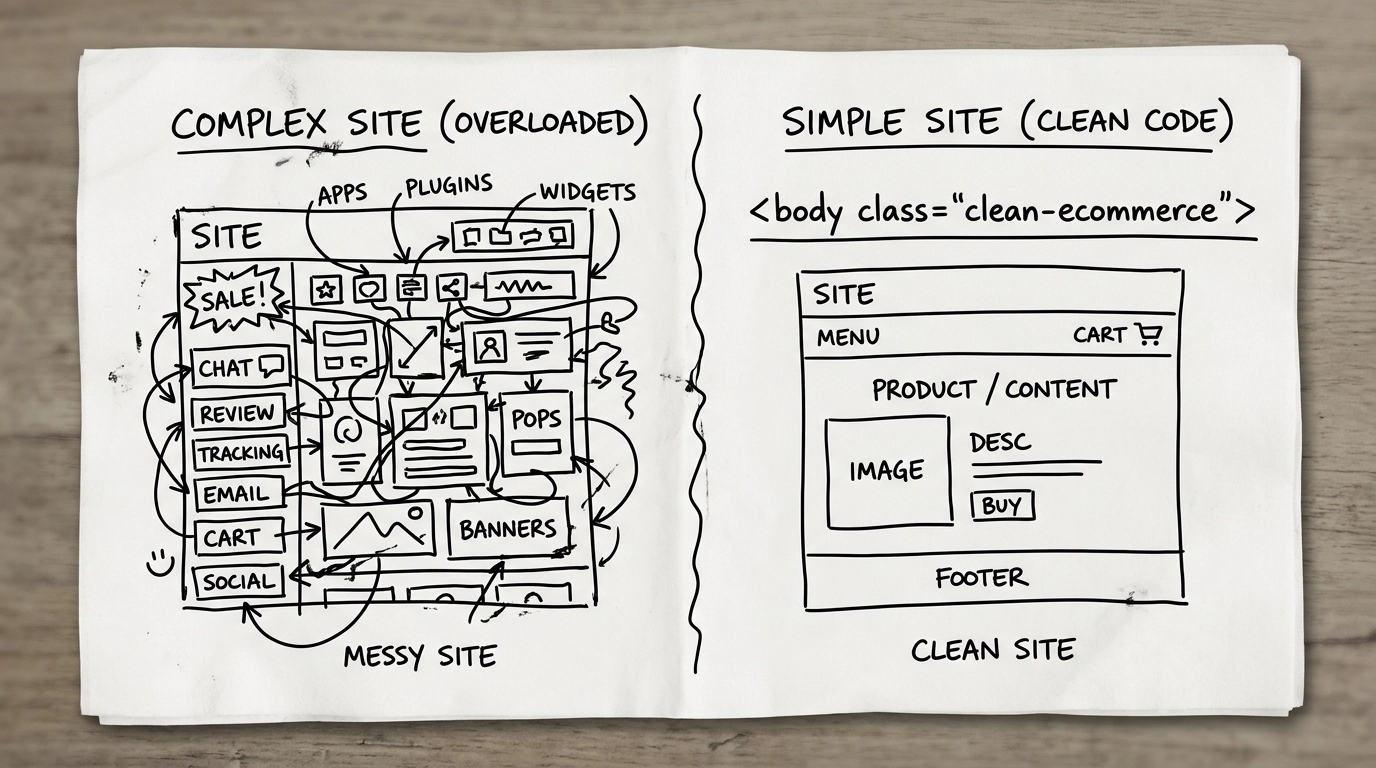
Most stores do not have a traffic problem. They have a stack problem.
A lot of Shopify brands keep playing app jenga. One app for reviews, one for popups, one for countdowns, one for video, one for analytics, then a few more because each tool only solves one tiny part of the funnel. It feels productive at first. Then the site gets heavier, the experience gets messier, and conversions start slipping.
That is the trap.
Every extra app can slow the site down, and speed matters more than most teams want to admit. Portent found that website conversion rates drop by an average of 4.42 percent for each additional second of load time in the first five seconds. A Deloitte study also found that even a 0.1 second speed improvement can lift conversion rates in retail. If your stack keeps growing, the cost is not just technical. It hits revenue.
A simple rule that many growth teams use is this. Every extra app creates friction, and friction compounds. In practical terms, many operators see conversion drops around 7 percent when unnecessary scripts pile up and slow the buying journey. The exact number will vary by store, but the direction is always the same. More clutter usually means fewer sales.
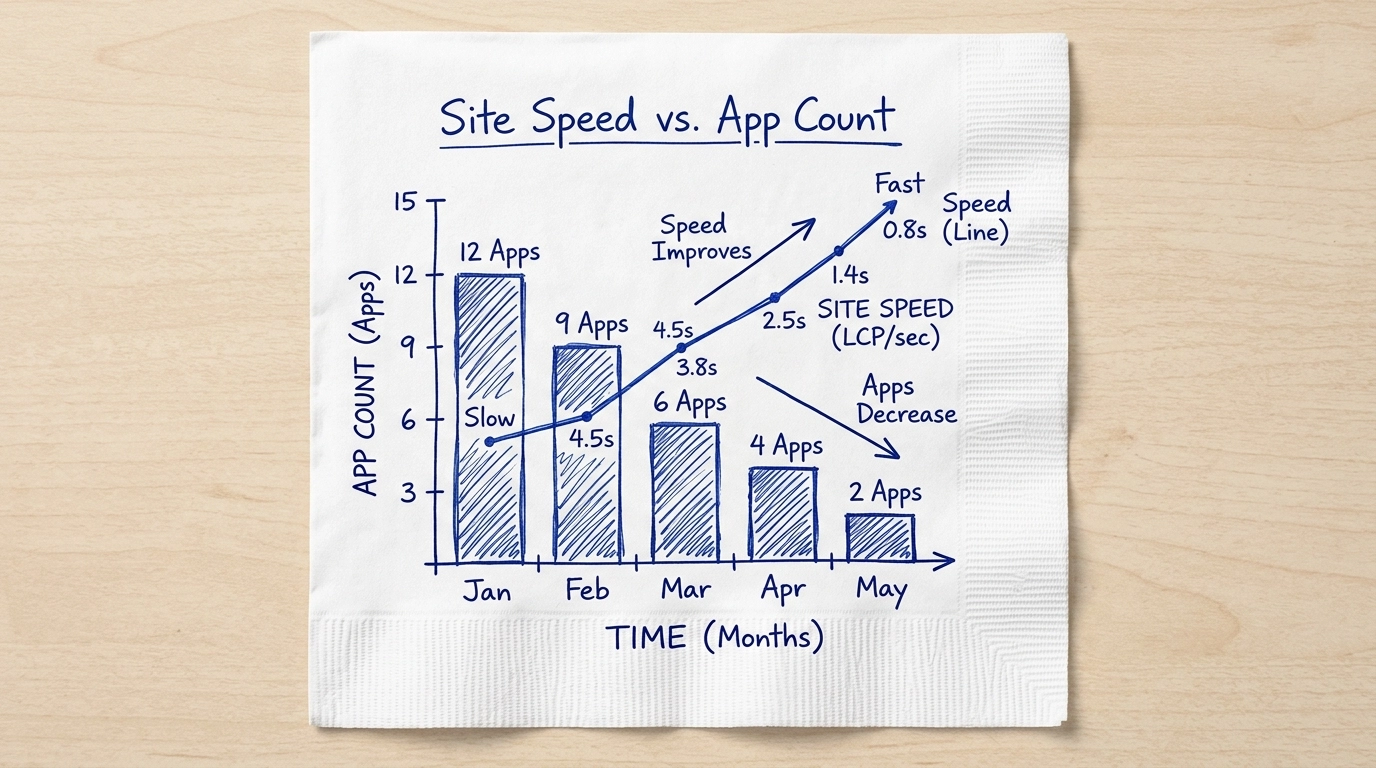
This is why more brands are moving away from patchwork tools and looking for cleaner conversion rate optimization tools that do more with less.
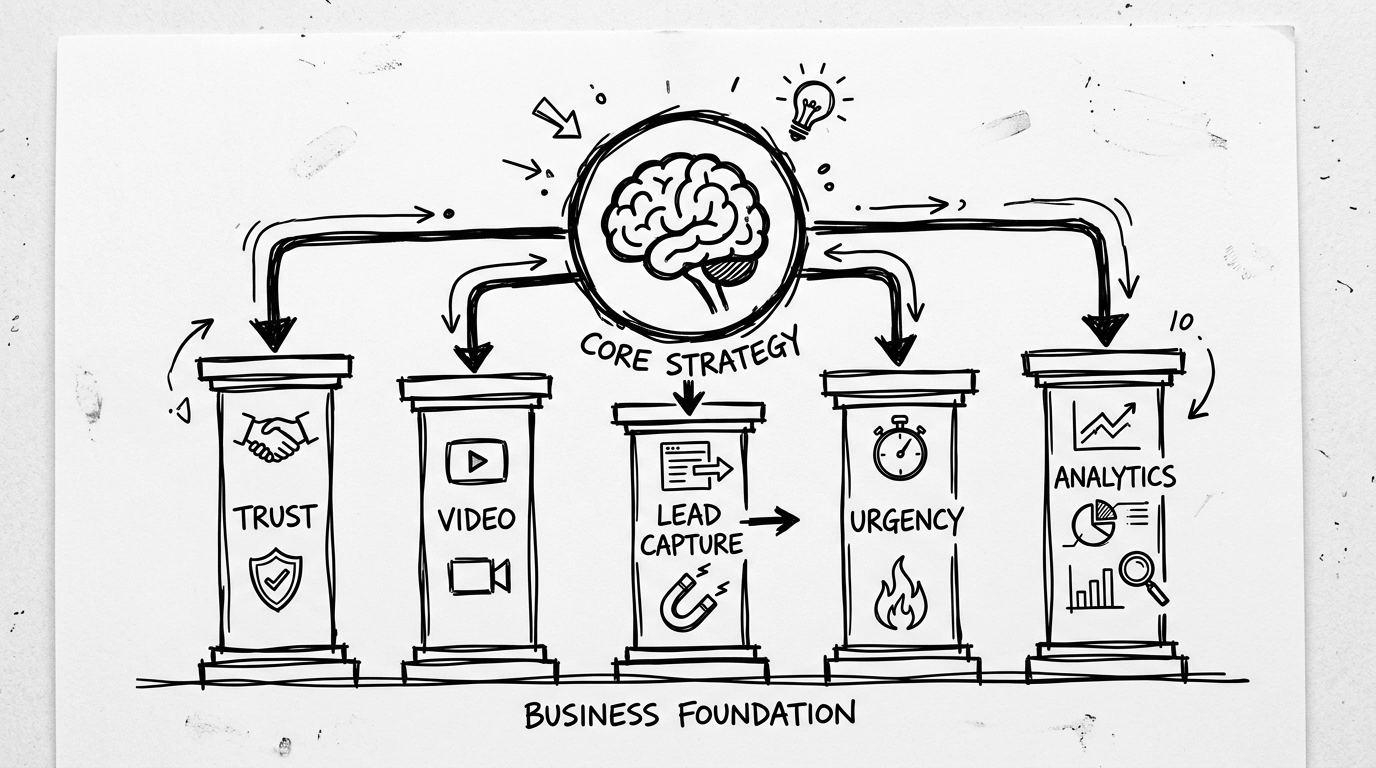
The better setup is not five separate marketing apps trying to cooperate. The better setup is one lightweight script that handles the five things your store actually needs.
Trust
Video
Lead capture
Urgency
Analytics
When these five pillars work together in one system, the store feels calmer and performs better.
Trust comes first because visitors make snap judgments fast. Social proof like Google reviews, Trustpilot ratings, customer quotes, and client logos helps answer the quiet question in every buyer's head, can I trust this brand.
Video helps close the gap that static pages leave open. Product demos, quick walkthroughs, and short founder videos can explain value in seconds. Good video does not just inform. It reduces hesitation.
Lead capture matters because not every visitor is ready to buy right now. Smart forms and timely prompts give you a second chance instead of letting that traffic disappear forever.
Urgency gives people a reason to act today, not someday. That could be a countdown, a flash sale, or a limited code. The point is not pressure. The point is clarity.
Analytics ties the whole thing together. If you cannot see what visitors click, watch, ignore, or abandon, you are just guessing with extra software attached.
This is where one script starts to beat five apps by a mile.
Instead of stacking disconnected tools, you install one line of code and let the system coordinate the whole experience. Trust elements show up when confidence is low. Video appears when a product needs more context. Lead capture shows when exit intent is strong. Urgency appears when buying signals are present. Analytics tracks what actually happened.
That is the big shift. It is not just consolidation. It is coordination.
For Shopify stores, this matters a lot because every extra app creates another chance for something to break, load late, conflict with design, or slow down checkout paths. The same problem shows up on other platforms too. Webflow, Wix, WordPress, Squarespace, and Next.js sites all suffer when too many tools are fighting for space.
One lightweight script is easier to manage, easier to test, and easier to trust.
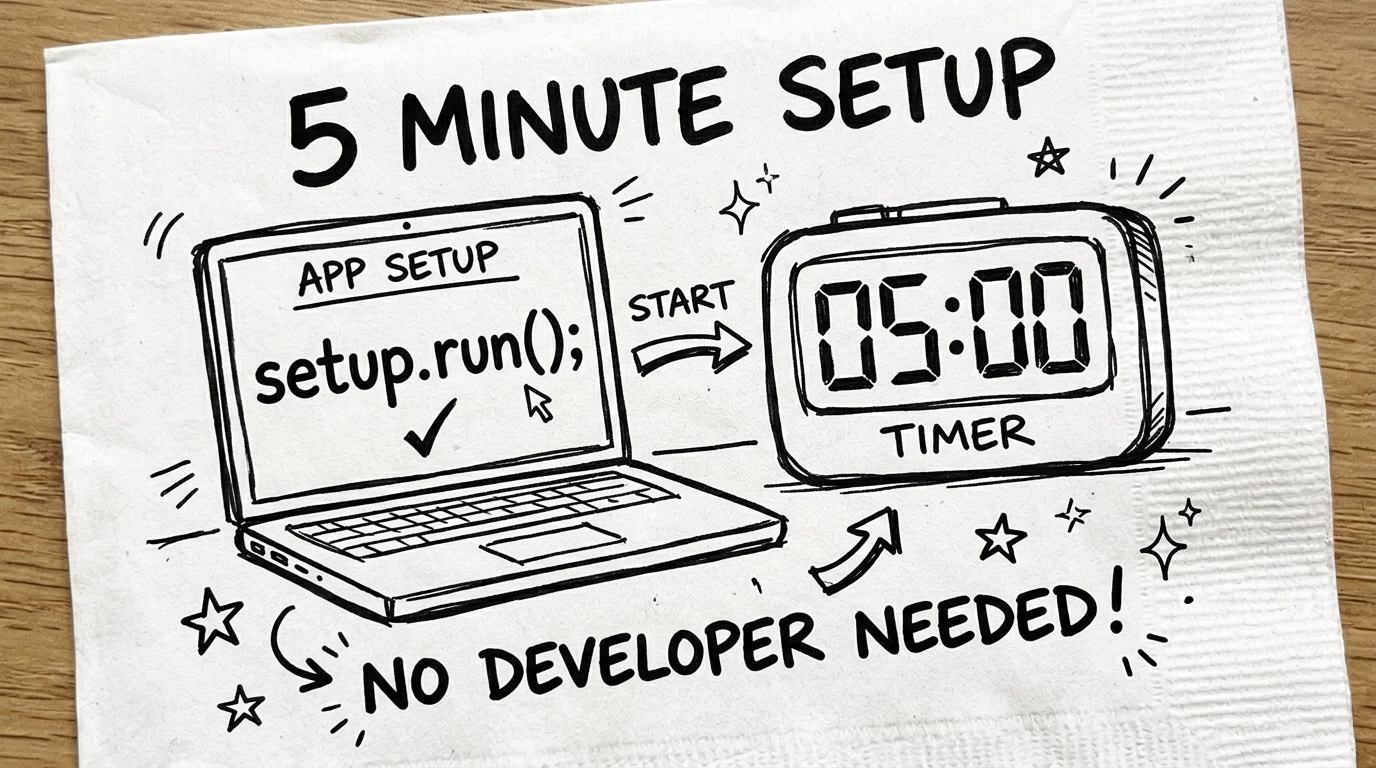
It also means you do not need a developer just to get basic conversion systems live. That part matters more than people say out loud. A lot of founders are stuck waiting on engineering for things that should take minutes. If the setup needs tickets, backlogs, or custom fixes, it usually gets delayed. Then the leak in the funnel stays there another month.
The best version of this setup goes live fast, works across platforms, and starts learning from visitor behavior right away. That is why more teams looking for shopify conversion widgets are starting to prefer all in one systems over another pile of plugins.
The goal is not to have more tools. The goal is to have fewer moving parts and better outcomes.
If you are comparing the best ai marketing tools, this is the question that actually matters. Does the tool reduce complexity while increasing conversions. If the answer is no, it is probably just another app in the tower.
One clean script can do the work of five separate tools without making the store feel crowded. That means less load time pressure, fewer integration headaches, and a better experience for the people you paid to bring in.
If you are ready to see what one line of code can do for your business, you can get started right now. You do not need to be technical to build a high converting store. You just need a cleaner setup and a smarter system.
We are here to help you turn more of that hard earned traffic into actual sales. Let us simplify your stack and boost your speed today. Your visitors will thank you, and your bank account will too.


